That little light glowing on your dashboard can feel like your car is speaking a language you never signed up to learn. Here at Nissan Lake Country in Oconomowoc, WI, we talk to drivers every day who pull in because a symbol popped up and they weren’t sure whether to panic or just top off the washer fluid. Knowing your Nissan dashboard symbols and meanings can save you a repair bill — or, more importantly, keep you safe on the road.
Most Nissan dashboard warning lights fall into three categories: red (act now), yellow/amber (pay attention), and blue/green (informational). The color alone tells you a lot about urgency before you even look up the symbol.
Let’s walk through the lights you’re most likely to encounter — and what to do about each one. Whether you drive a Sentra, a Rogue, a Frontier, or anything else with a Nissan car symbol on the hood, these explanations apply across the lineup.
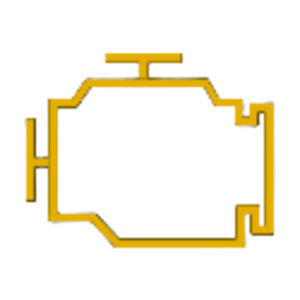
This amber engine-shaped icon is probably the most talked-about light in automotive history. It can mean anything from a loose gas cap to a misfiring cylinder. Don’t ignore it — if it’s flashing, pull over soon. If it’s steady, get it scanned within a day or two.
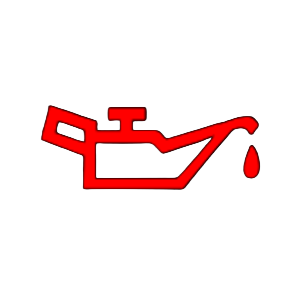
Do you see a red oil can symbol? Stop driving as soon as it’s safe to do so. Low oil pressure can destroy an engine in minutes. Check your oil level, and if it’s fine, have it diagnosed immediately.
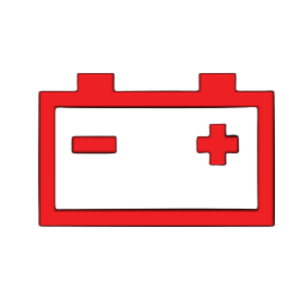
This red battery icon means your vehicle isn’t charging properly. It could be the battery itself, the alternator, or a bad connection. You might have limited driving time before things shut down, so head to the service promptly.
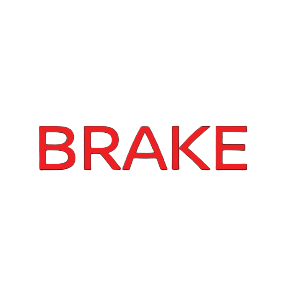
If this red exclamation mark in a circle lights up (and your parking brake is off), there may be low brake fluid or afault in the brake system. Your brakes are non-negotiable — get this checked before your next drive if you can.
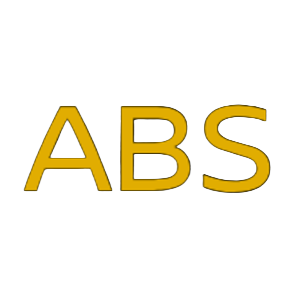
The ABS light means your anti-lock braking system has a fault. Your regular brakes still work, but you’ve lost the anti-lock assist that prevents skidding in hard stops. Schedule service soon, especially with Wisconsin winters in mind.
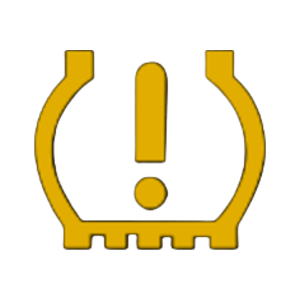
That horseshoe-with-exclamation-point symbol means one or more tires are under-inflated. In colder Oconomowoc weather, tire pressure naturally drops — so this one comes up a lot in fall and winter. Add air to the recommended PSI (listed on your door jamb), and the light should go off.
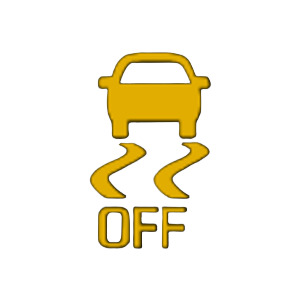
A flashing traction control light during acceleration means the system is actively working to prevent wheel spin — that’s normal. If it stays on solid, the system may be disabled or have a fault. Check that it hasn’t been manually turned off, and if not, have it looked at.

This typically appears when a bulb is out — headlight, taillight, or brake light. It’s a safety issue and could earn you a ticket. A quick bulb swap usually handles it.
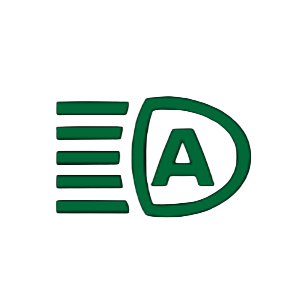
This green light (often with an “A”) means your automatic high beam system is active. It’ll switch your brights on and off based on oncoming traffic. If it shows up unexpectedly as a warning, the sensor may need attention.

The solid blue headlight beam symbol simply means your high beams are on. Not a warning — just a reminder to switch back to low beams when you see oncoming traffic.
Not every light means you need to stop right now. Understanding the urgency level helps you make a smart, safe call.
Whether you’re reading up on Nissan Versa dashboard symbols and meanings or trying to figure out a light on a newer Pathfinder, the urgency scale works the same way. Red = stop. Amber = schedule. Green/blue = informational. The tricky ones are amber lights that may seem minor but indicate systems that protect you in emergencies, like ABS or stability control. Don’t put those off too long, especially here in the upper Midwest, where road conditions can turn fast.
Here’s a quick breakdown to keep handy:
| Warning Light | Color / Urgency | Recommended Action |
|---|---|---|
| Check Engine |
Amber — Moderate | Scan within 1–2 days; flashing = pull over soon |
| Oil Pressure |
Red — Urgent | Stop safely, check oil, call for service |
| Battery/Charging |
Red — Urgent | Drive to service promptly; limited time |
| Brake System |
Red — Urgent | Do not drive; get checked before next trip |
| ABS |
Amber — Moderate | Regular brakes work; schedule service soon |
| TPMS |
Amber — Low-Moderate | Add air to correct PSI; monitor pressure |
| Traction/Stability |
Amber — Moderate | Check if manually off; if not, schedule service |
| Exterior Bulb |
Green — Informational | Replace bulb; safety and legal concern |
| High Beam Assist |
Green — Informational | System active; no action needed |
| High Beams On |
Blue — Informational | Reminder light; dim for oncoming traffic |
Short answer: no. Long answer: also no, and here’s why.
Modern Nissans are sophisticated machines, and those warning lights exist because sensors detected something outside normal parameters. Just because your car isn’t visibly misbehaving doesn’t mean the issue isn’t growing quietly in the background.
Plenty of drivers have come into our service lane at Nissan Lake Country after driving for weeks with a check engine light, only to find that what would have been a $150 fix when the light came on had become a $700 problem. Understanding your Nissan dashboard lights isn’t just about your car — it’s about your wallet, too. Some lights, like the oil pressure warning or coolant temp warning, can cause catastrophic engine failure within miles if ignored. Others, like the TPMS, might seem minor, but an under-inflated tire reduces fuel economy and handling, and it can blow out unexpectedly at highway speed. None of them is worth ignoring. If you’re ever unsure, a quick call to our service team takes about two minutes.
Your dashboard is basically your Nissan talking to you. Learning what it’s saying before something goes wrong is the smartest thing you can do as a driver. Whether you’re a first-time Nissan owner trying to decode Nissan Sentra dashboard lights or a longtime Rogue driver who just spotted an unfamiliar symbol, the rule of thumb is simple: red means stop, amber means schedule, and when in doubt, ask.
Our team at Nissan Lake Country in Oconomowoc is always ready to help you make sense of what you’re seeing. We’d rather answer your questions before something breaks than see you towed in afterward.
Multiple lights at once often signal an electrical issue, a low battery, or a sensor fault that triggered a cascade of alerts. Bring it in for a full diagnostic — it’s usually one root cause affecting several systems.
Most warning lights reset automatically once the underlying issue is fixed. If a light stays on after a repair, a technician can clear it using a diagnostic scanner. Never just tape over or disconnect the light — the problem won’t go away.
You can drive short distances carefully, but you’ll want to check and correct tire pressure as soon as possible. Significantly under-inflated tires affect handling and can fail without warning at speed.
An intermittent check engine light usually means a sensor is intermittently detecting a fault. It should still be scanned — intermittent faults can become permanent ones, and catching them early is much cheaper.
Reach out to our service team directly for current offers — we frequently have service specials available. Give us a call or visit us in Oconomowoc, and we’ll take care of you.
Your owner’s manual is the most complete source, and it’s specific to your trim and year. Our service advisors can also walk you through any symbol in person — just bring the car in.